Prof. Dr. İbrahim Toprak

Cornea · Cataract · Refractive Surgery · Glaucoma

Scientific depth,
trusted expertise,
in eye health

Combining advanced diagnostic technology, international academic expertise and personalised surgical planning — all centred around patient safety.
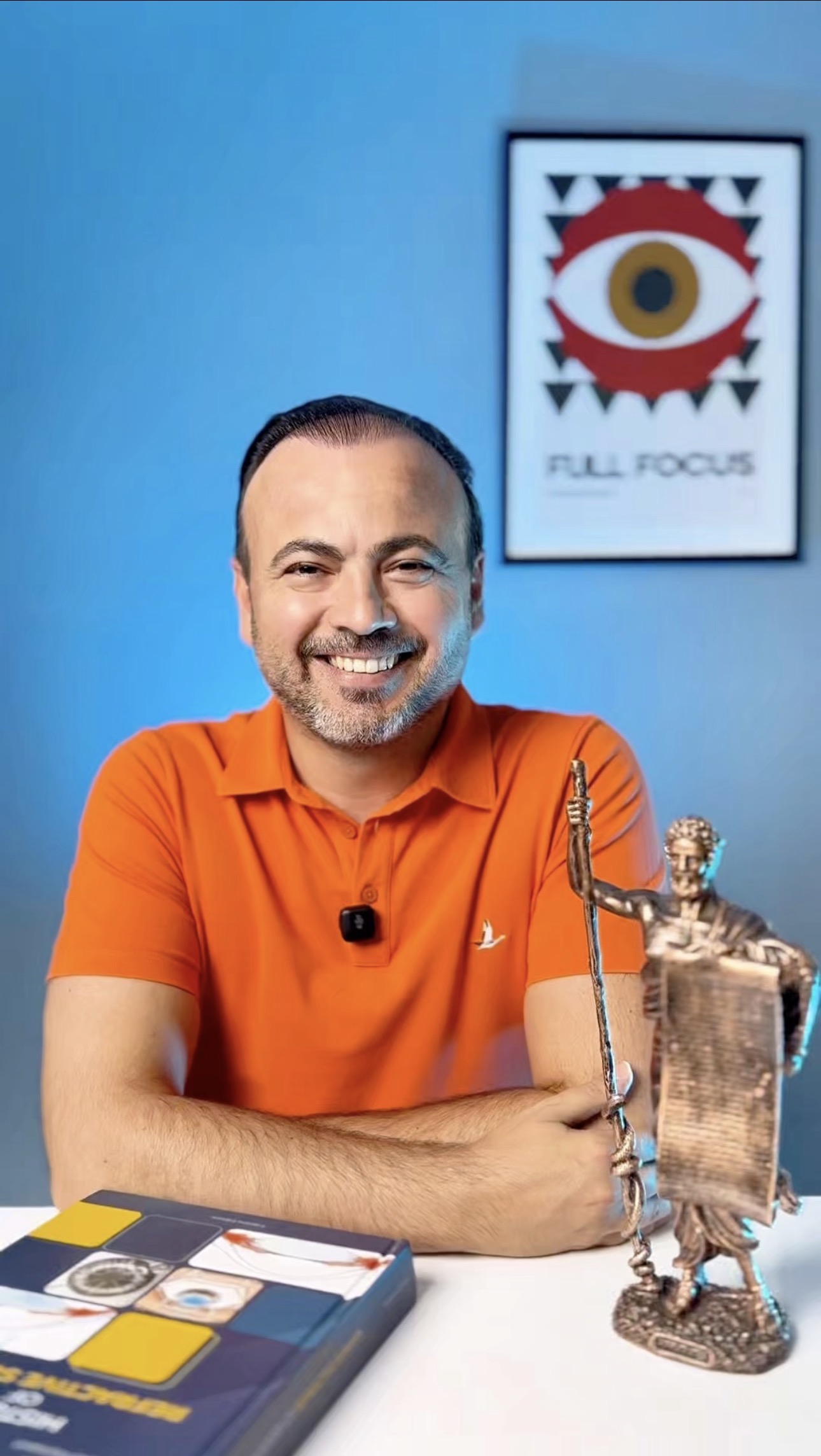
Prof. Dr. İbrahim Toprak
Personalised Approach

Every eye is unique. A scientific and ethical process from diagnosis to treatment.
Extensive Experience

20+ Years · 10,000+ Surgeries

International Credentials

FEBO · FICO · MRCSEd

Scientific Productivity

70+ Published Articles

Patient Safety

Evidence-Based & Ethical Decisions

International Credentials

Globally Accredited
Standards

The world's most prestigious ophthalmology and surgical institution credentials — proof of science and trust.

Uluslararası Yeterlilik Belgeleri
TOD

Turkish Ophthalmology Society

Promoting scientific advancement and professional ethics at the highest level.

Cornea & Ocular Surface Unit
Cataract & Refractive Surgery Unit
EBO

European Board of Ophthalmology

European-standard ophthalmology qualification.

ICO

International Council of Ophthalmology

International clinical competency certificate in ophthalmology.

RCS

Royal College of Surgeons of Edinburgh

MRCSEd — membership of an internationally recognised surgical institution.

Areas of Expertise

Every Eye Is Different —
So Is Your Treatment

Each eye is unique. Our evaluation approach prioritises long-term visual quality and safe treatment choices.

Keratokonus
Special Interest

Keratoconus and Cross-Linking

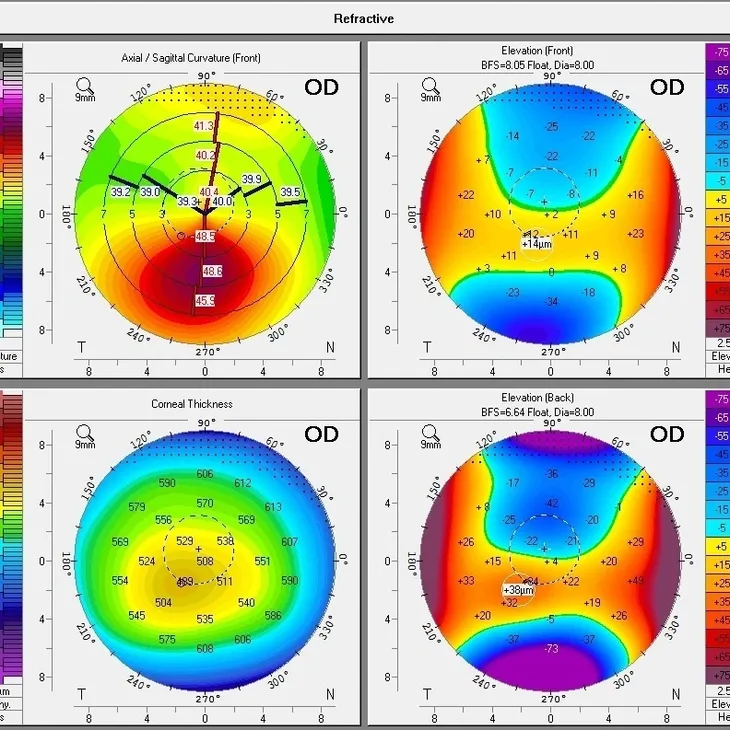
Keratoconus typically begins in adolescence and can progress silently into the 40s. If left undetected, it may lead to corneal transplantation. Constantly changing spectacle prescriptions or persistent blurred vision can be warning signs. When cross-linking is applied in the early stages, disease progression can largely be brought under control.

Keratoconus screening and close monitoring
Standard cross-linking approaches
Cretan and Athens protocol
Intracorneal ring planning
20+
International PublicationsOriginal research published in peer-reviewed journals on keratoconus diagnosis and treatment.
Lazer Cerrahi
Laser Surgery

Laser Refractive Surgery

Laser surgery for spectacle independence is not suitable for everyone. Performed without careful evaluation of corneal thickness, topographic maps and dry eye parameters, laser treatment can cause permanent visual problems. Correct patient selection is the single most important factor for long-term satisfaction — this decision should be made together, with the right data.

Detailed topography and thickness analysis
Personalised suitability assessment
Alternative planning for high-risk eyes
Long-term visual quality focus
📄
Preoperative Assessment ResearchPeer-reviewed publications on pre-laser patient selection and risk analysis.
Akıllı Lens
Cataract & Premium Lens

Cataract and Premium Lens

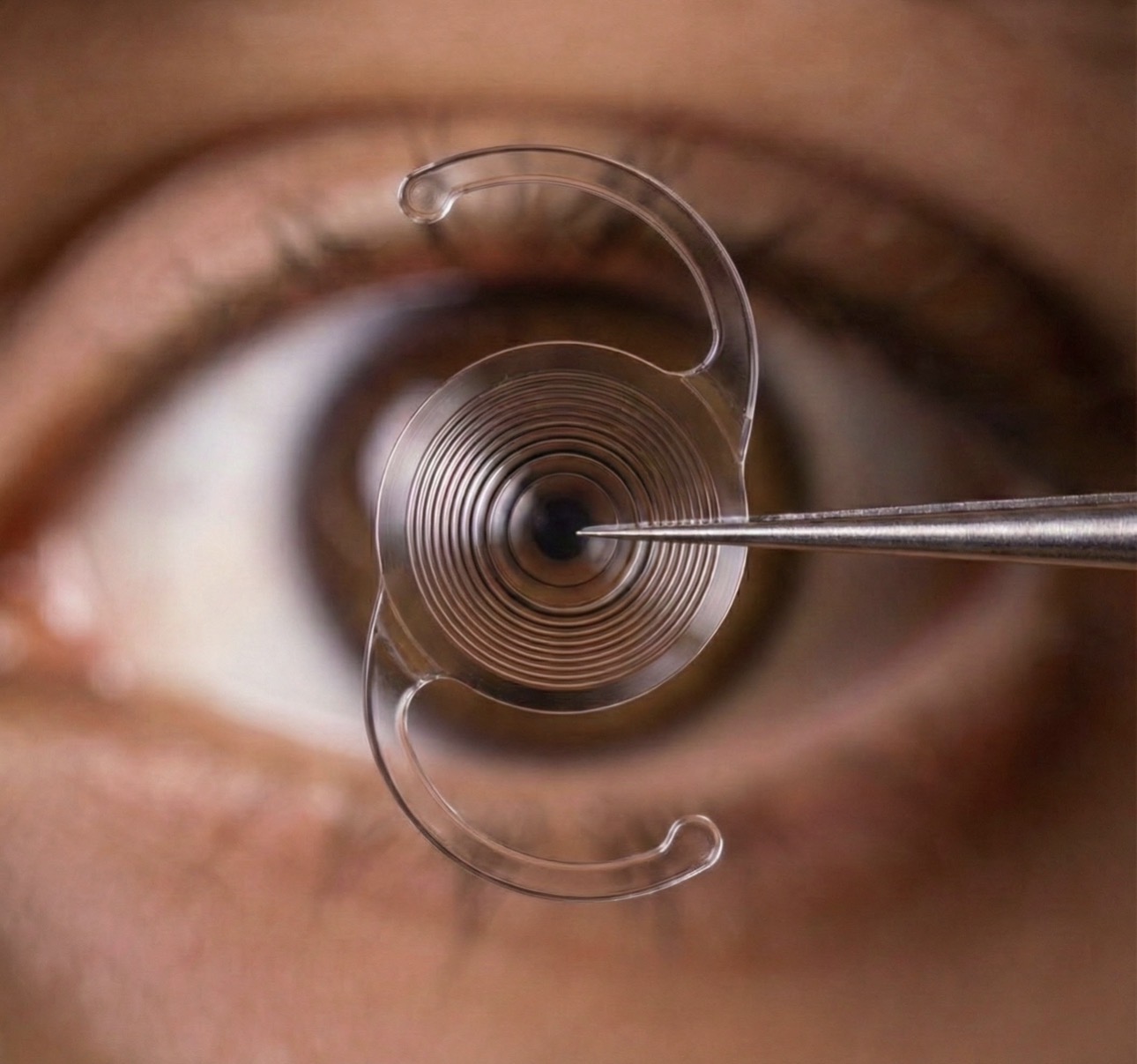
Expectation management and biometric precision are paramount in FAKO surgery and premium intraocular lens selection. As each patient's visual needs and lifestyle differ, trifocal, toric and EDOF lenses are planned with the correct indication and a personalised evaluation.

FAKO (sutureless cataract surgery)
Monofocal, EDOF, Trifocal and toric lens selection
Lifestyle-based lens planning
Postoperative visual quality follow-up
Kornea Topografi
Advanced Cornea

Corneal Diseases and Surgery

Corneal diseases often progress silently; ignoring symptoms such as burning, light sensitivity or blurred vision can worsen the condition. Spanning a wide spectrum from infections and dystrophies to surface disorders and transplant-requiring cases, early evaluation in this field opens significantly broader treatment options.

Diagnosis of corneal surface disorders
Advanced corneal surgery planning
Corneal transplant evaluation
Scientific and ethical decision process
Fakik Lens
Advanced Intraocular

Phakic IOL (Implantable Contact Lens)

In high myopia where laser cannot be applied or the corneal structure is unsuitable, phakic intraocular lenses offer a safe and permanent alternative. The natural lens is left untouched, keeping future treatment options open. If your prescription is high and you are unsure about laser suitability, an evaluation may open new horizons.

High myopia evaluation
Alternative for those unsuitable for laser
Advanced technology lens planning
Relatively rapid recovery process expected
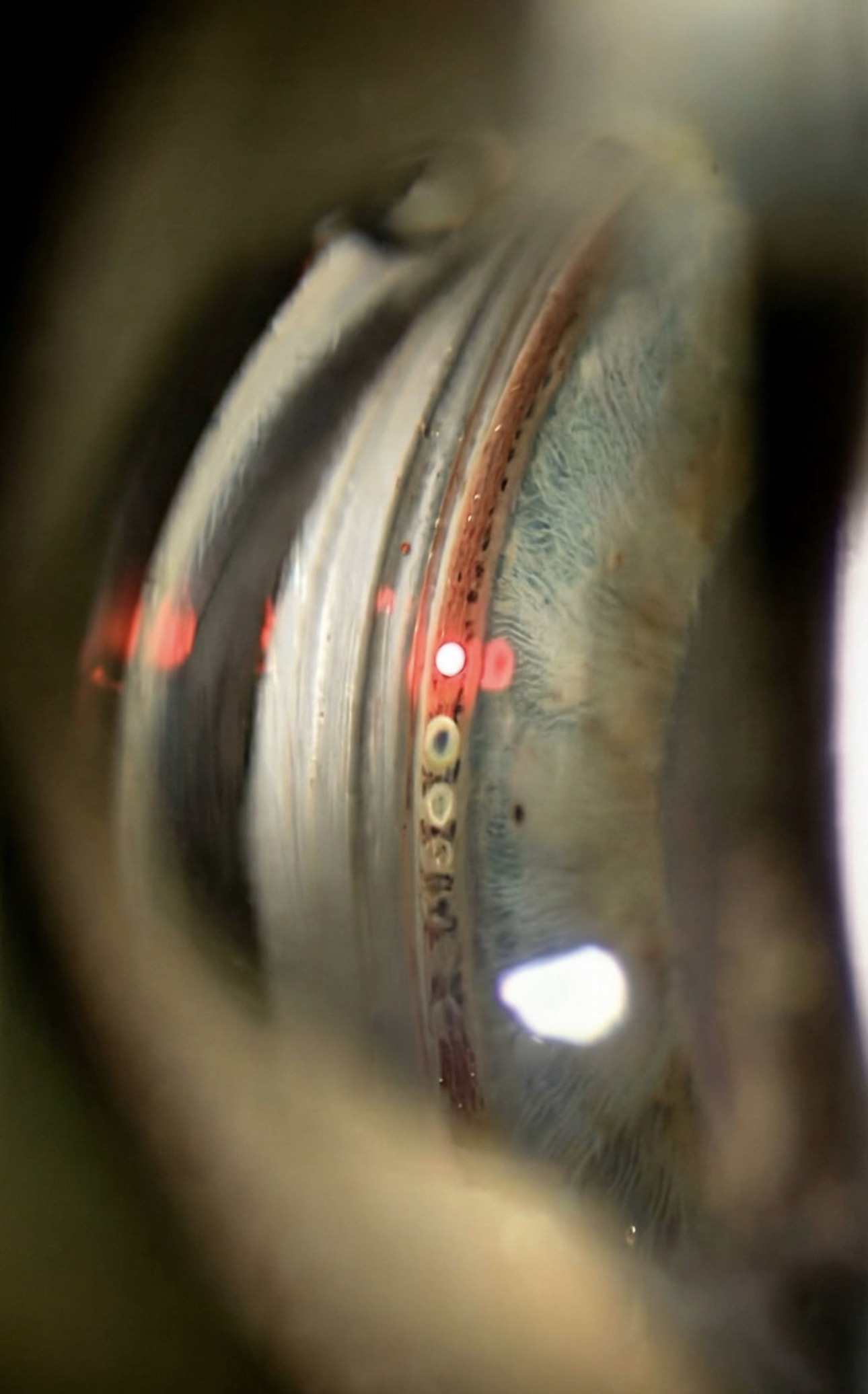
Glokom Açısı
Glaucoma

Glaucoma (Intraocular Pressure)

Glaucoma is a disease that silently and irreversibly damages the optic nerve. Once symptoms are noticed, the lost visual field cannot be recovered. Regular examination is vital for those over 40, with a family history of glaucoma or elevated intraocular pressure — early diagnosis is the most powerful tool in treatment.

Detailed examination and OCT evaluation
Intraocular pressure control and monitoring
Trabeculectomy surgery
Ahmed Glaucoma Valve Implantation
Surgeries

Every Eye Unique,
Every Surgery Precise

Evidence-based surgical procedures supported by current technology.

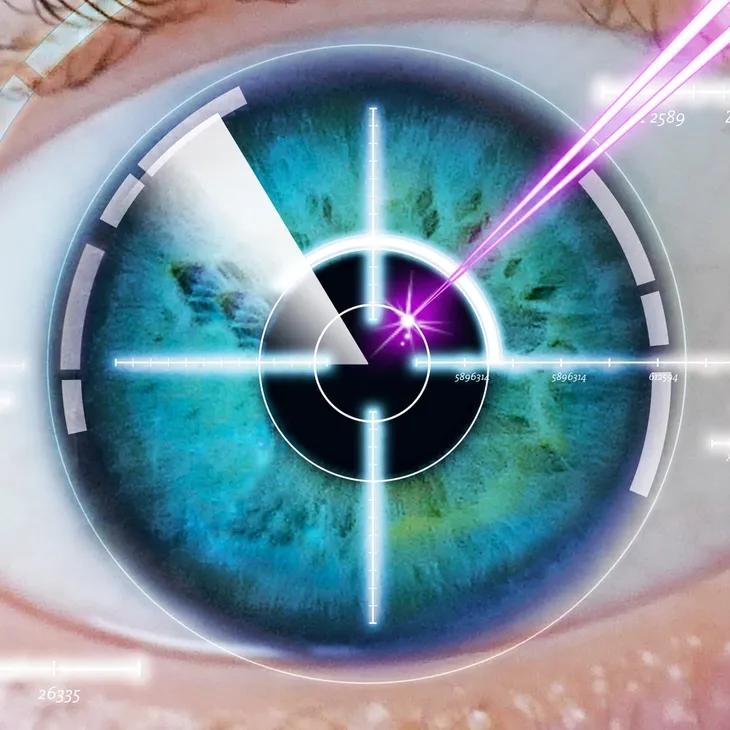
No-Touch Laser & PRK
In PRK the surface is mechanically abraded; in No-Touch PRK the entire procedure is performed with laser.
In PRK the surface is mechanically abraded; in No-Touch PRK the entire procedure is performed with laser. Frequently preferred in those with thin corneas or who practise contact sports. Visual outcomes are comparable to LASIK; the risk of dry eye and ectasia is scientifically lower.
▶ Watch Video
LASIK & Femto-LASIK
LASIK & Femto-LASIK
A thin flap is lifted on the corneal surface and laser is applied.
A thin flap is lifted on the corneal surface and laser is applied. Recovery is relatively rapid; however, suitability is determined by a comprehensive pre-operative evaluation.
▶ Instagram
Crosslink (Cretan/Atina)
Crosslink (Cretan/Athens)
The cornea is strengthened with riboflavin and UV rays in an attempt to halt keratoconus.
The cornea is strengthened with riboflavin and UV rays to halt keratoconus. Scientific studies show that the Cretan and Athens protocols have greater potential for visual acuity improvement compared to standard cross-linking.
▶ Watch Video
Femto-Lazer & Kornea İçi Halka
Femto-Laser & Intracorneal Ring
Intrastromal rings reshape corneal geometry in keratoconus.
Intrastromal rings reshape corneal geometry in keratoconus. The need for optical correction may decrease; results vary depending on the patient and disease stage.
▶ Instagram
Katarakt & Akıllı Lens
Cataract & Premium Lens
The lens that has lost transparency is extracted by FAKO technique and replaced with an intraocular lens.
The lens that has lost transparency is extracted by FAKO technique and replaced with an intraocular lens. Multifocal lenses ('premium lens') can be considered after comprehensive evaluation of examination findings and patient expectations.
▶ Instagram
Fakik Göz İçi Lensler (ICL)
Phakic IOL (ICL)
A phakic intraocular lens (ICL etc.) is placed inside the eye without touching the natural lens.
A phakic intraocular lens (ICL etc.) is placed inside the eye without touching the natural lens. Preferred in high myopia or corneal structures unsuitable for laser. Suitability requires detailed pre-operative evaluation.
▶ Instagram
Kornea Nakli (Keratoplasti)
Corneal Transplant (Keratoplasty)
Corneal transplantation (keratoplasty) aims at optical and anatomical reconstruction.
Corneal transplantation (keratoplasty) aims at optical and anatomical reconstruction. Outcomes depend on the underlying pathology and surgical technique.
▶ Instagram
Glokom Cerrahisi
Glaucoma Surgery
Trabeculectomy or Ahmed valve surgery aims to bring intraocular pressure to target levels.
Trabeculectomy or Ahmed valve surgery aims to bring intraocular pressure to target levels. The goal is to preserve existing optic nerve function.
▶ Watch Video
Academic Profile

International Experience,
Human-Centred Touch

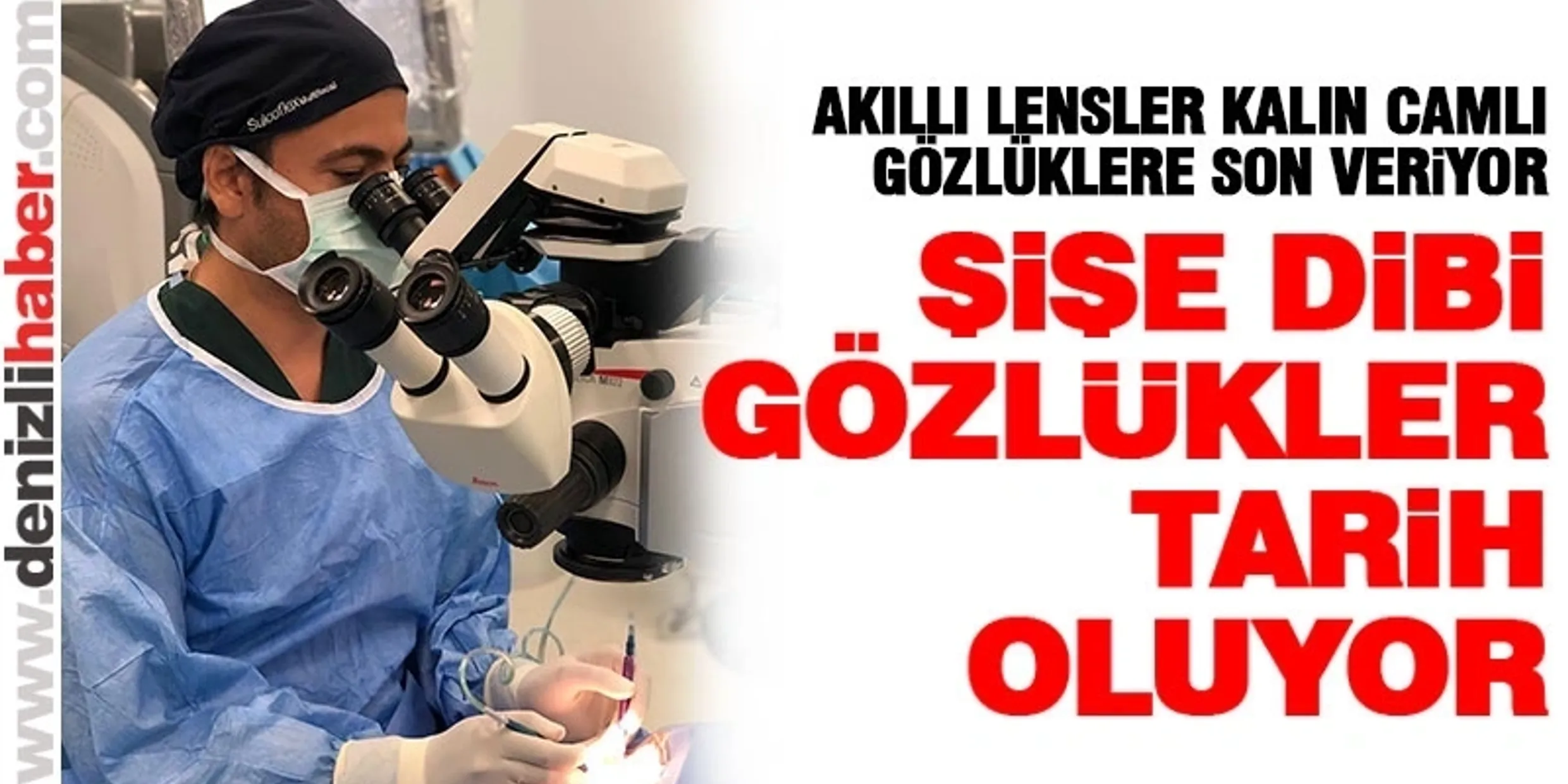
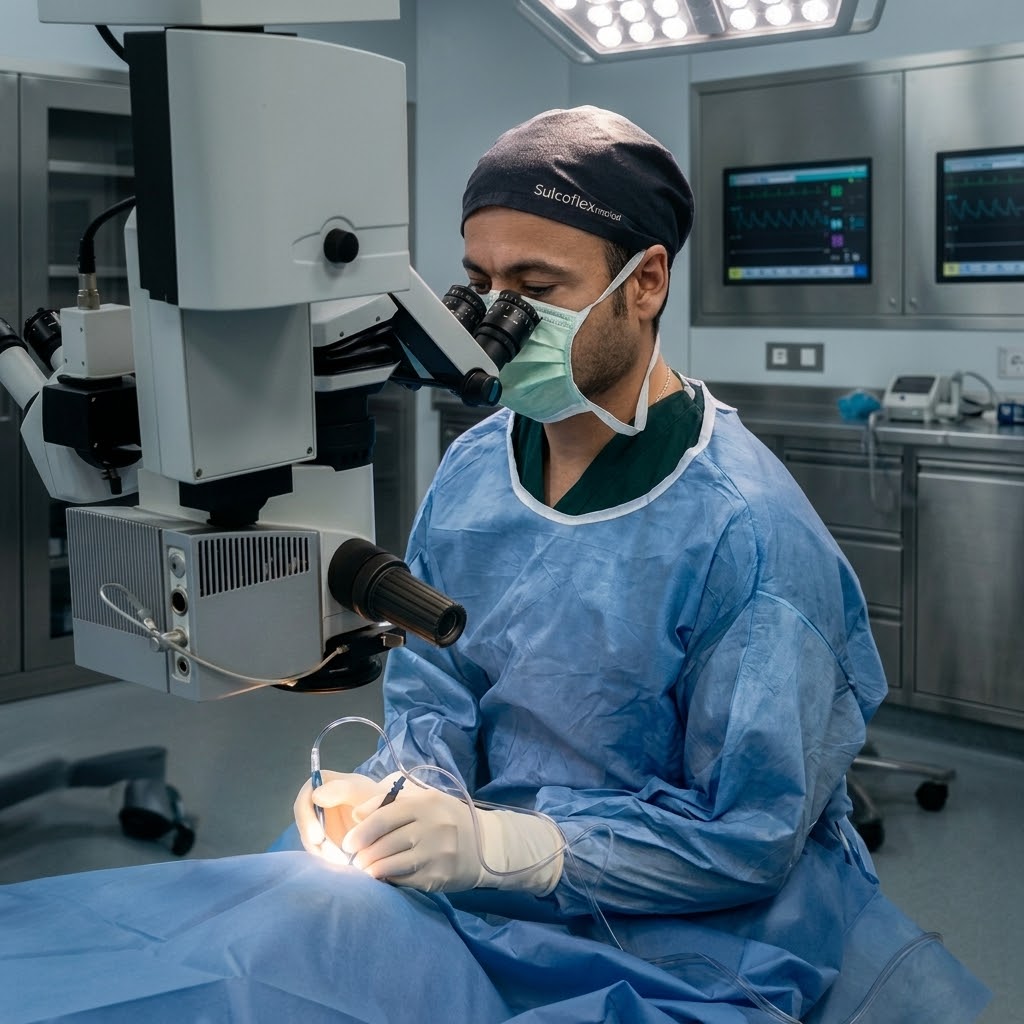
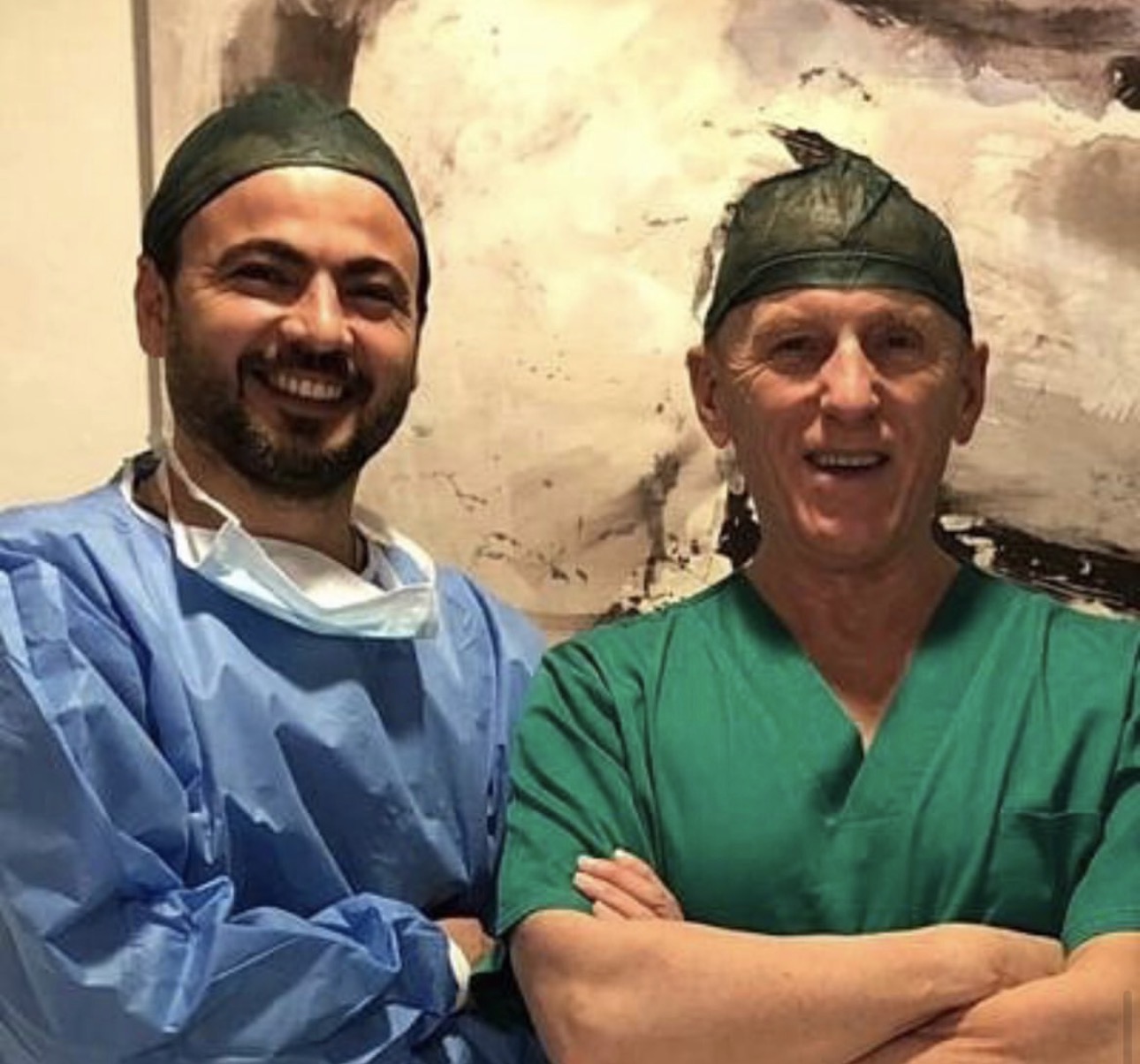
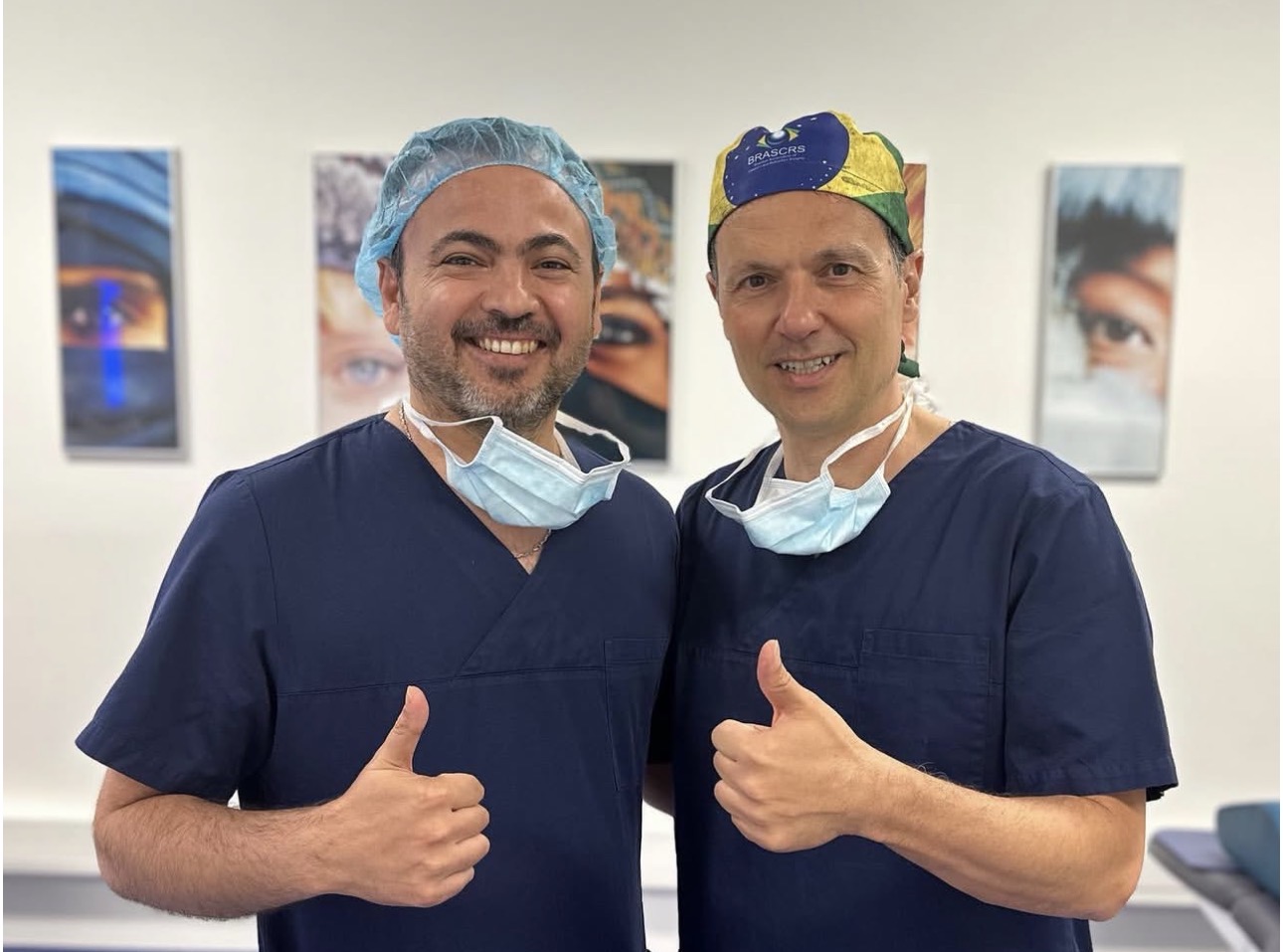
Prof. Dr. İbrahim Toprak — Ameliyathane
Prof. Dr. İbrahim Toprak Clinical Authority · Surgical Precision

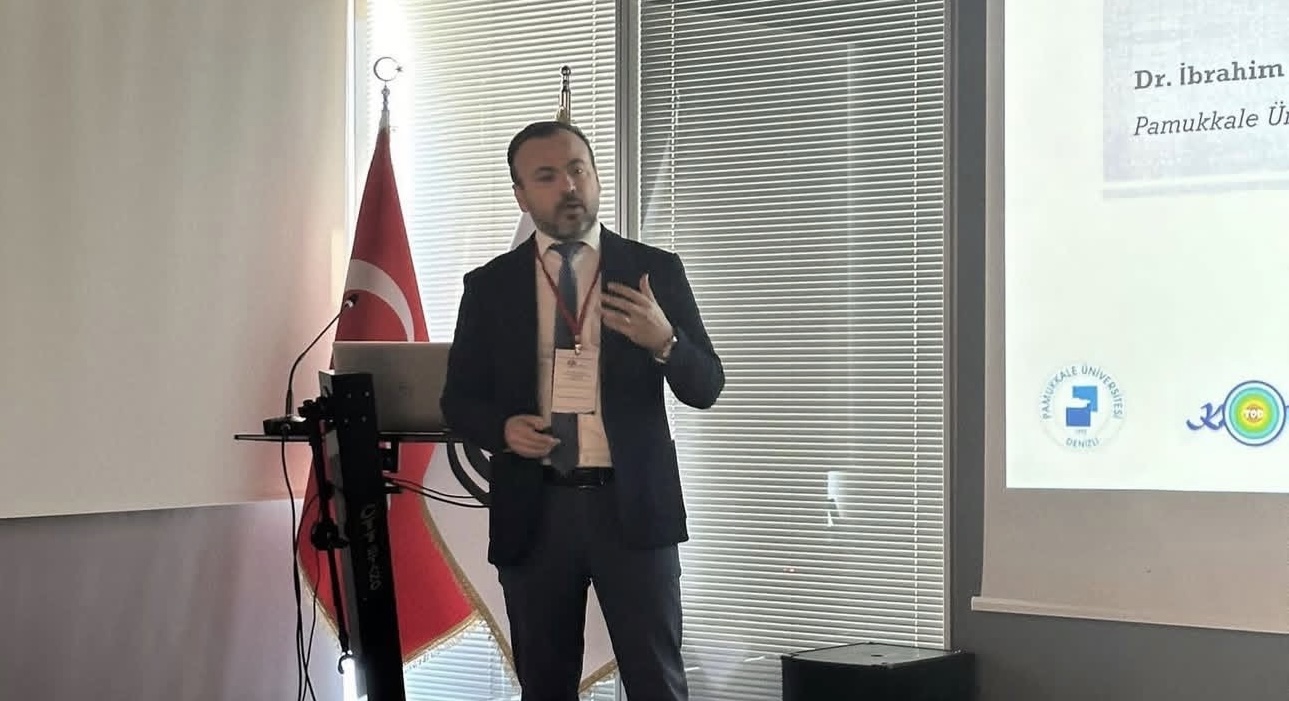
Conference Presentations

Invited speaker at national and international congresses, sharing scientific expertise.

Kongre Sunumu

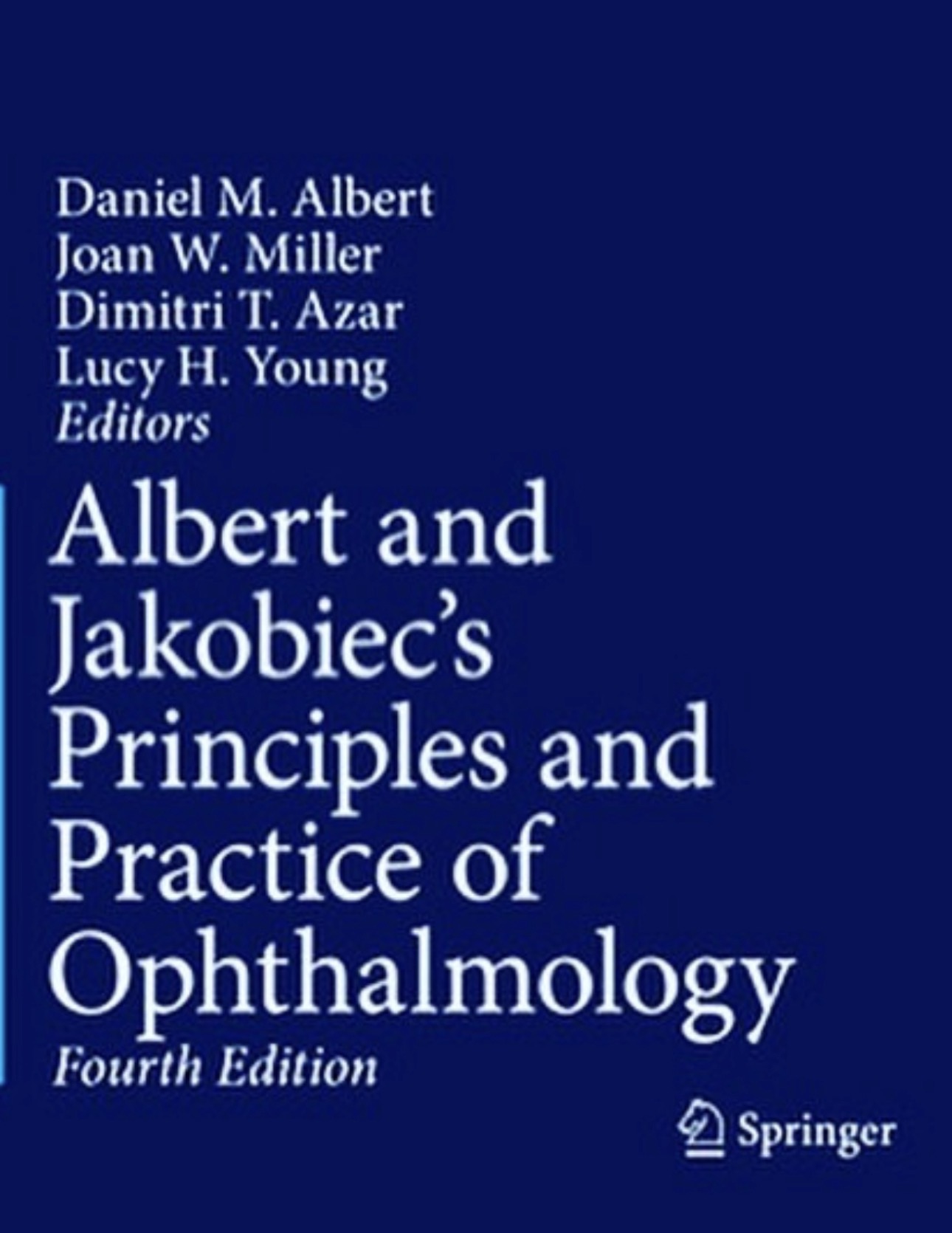
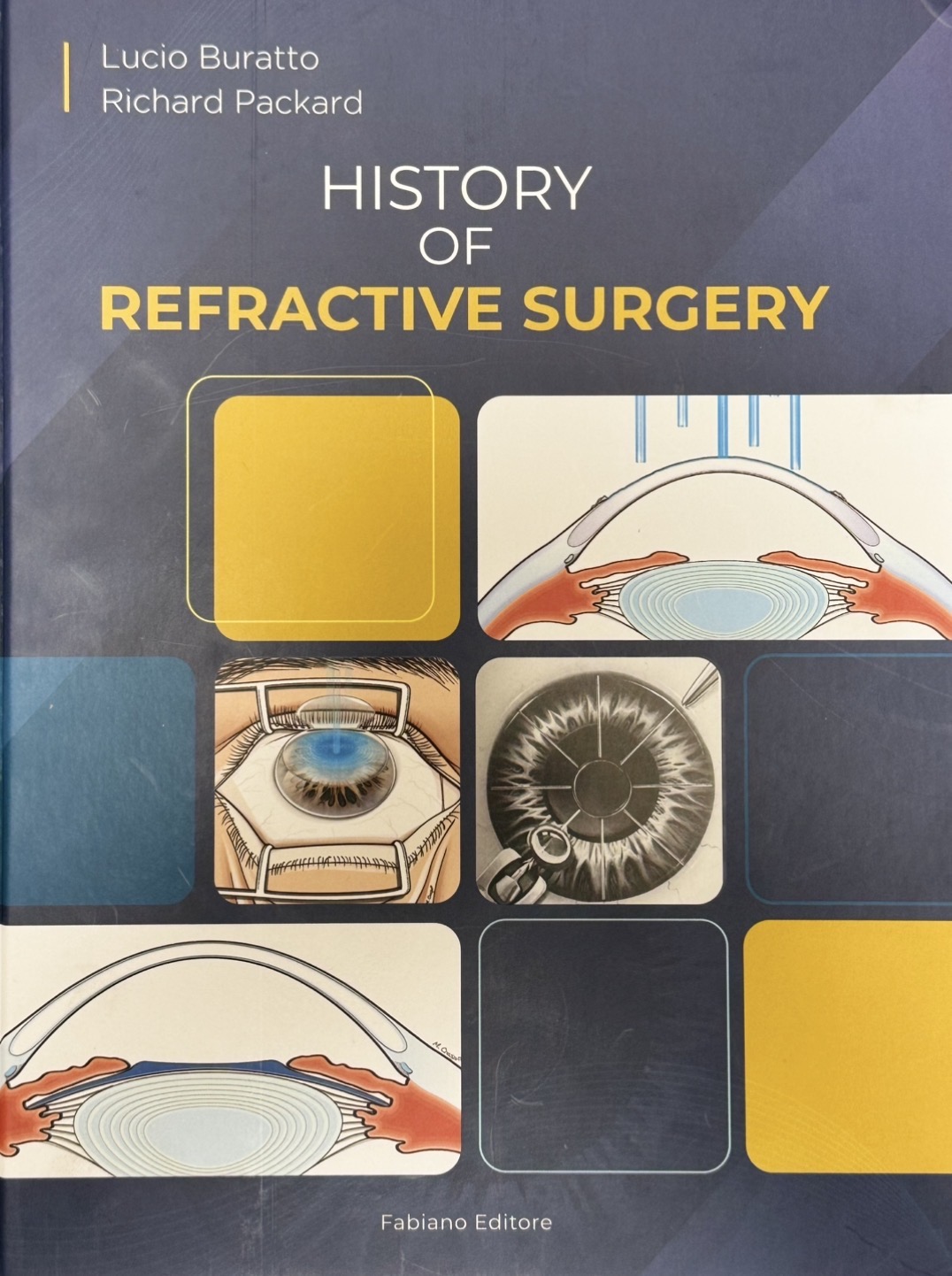
Book Chapters & Scientific Contributions

Peer reviewer for prestigious international ophthalmology journals, and author of comprehensive book chapters.

Albert's Principles
History of Refractive Surgery
Lazer Refraktif Cerrahi

Education and Academic Journey

He completed his medical education at Dokuz Eylul University and his specialty training at Pamukkale University, where he subsequently attained the titles of Associate Professor and Professor.

The most important step that brought his academic journey to the international arena was at Vissum Ophthalmology Institutein Alicante, Spain. With one of the world's leading authorities in Cornea, Cataract and Refractive Surgery, Prof. Dr. Jorge Alio this fellowship shaped his clinical vision on a global scale.

He subsequently visited the clinic of Prof. Dr. Massimo Businin Forlì (Italy), a pioneer in lamellar corneal surgery, and the centre of Prof. Dr. Suphi Taneriin Münster (Germany), a European reference in laser refractive surgery, consolidating his advanced field-based training. Prof. Dr. Dan Z. Reinstein and other leading figures in the world of ophthalmology, ongoing academic collaborations ensure the direct translation of current knowledge into clinical practice.

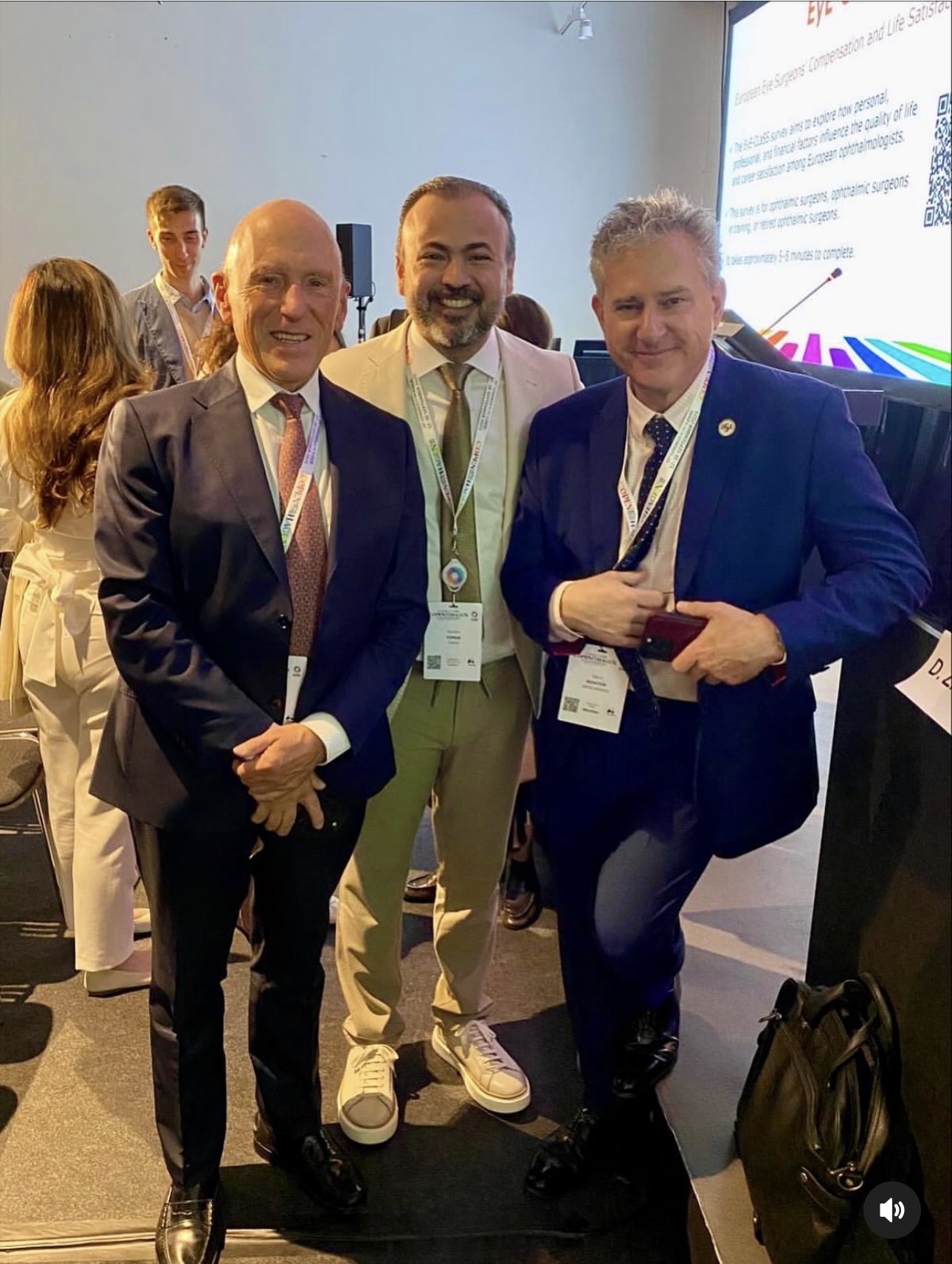
International Scientific Network

Academic collaborations with global authorities shaping the world of ophthalmology, and international sharing of scientific expertise.

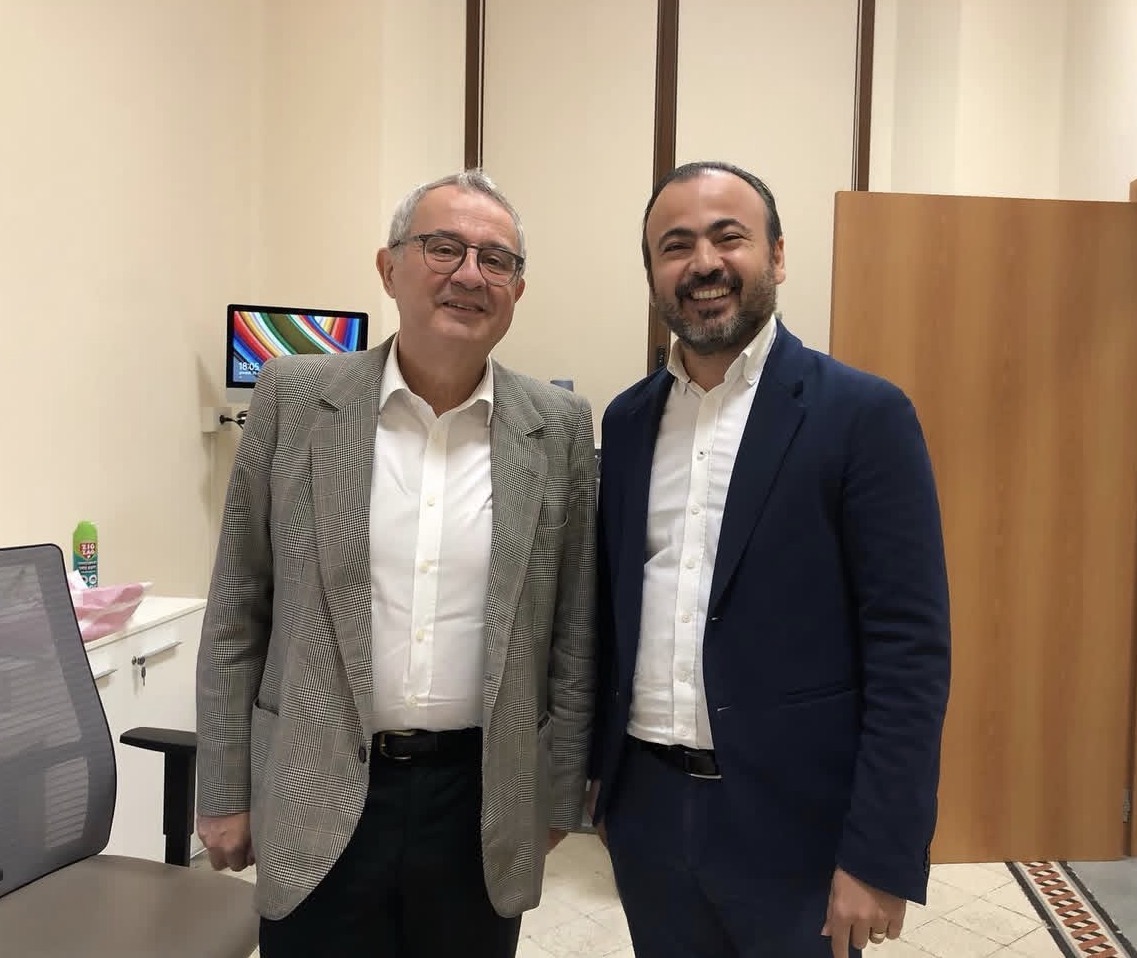
Prof. Dr. Jorge Alio
ESCRS — Alio ve Reinstein
ESCRS — Alio & Reinstein
Prof. Dr. Massimo Busin
Prof. Dr. Suphi Taneri

Scientific Publications

Numerous original research articles published in international peer-reviewed journals in keratoconus, refractive surgery and corneal fields.

70+
Published Articles
ResearchGate Profile
20+ Years of Clinical Experience
70+ Published Articles
800+ Scientific Citations
10.000+ Surgical Experience
Consultation
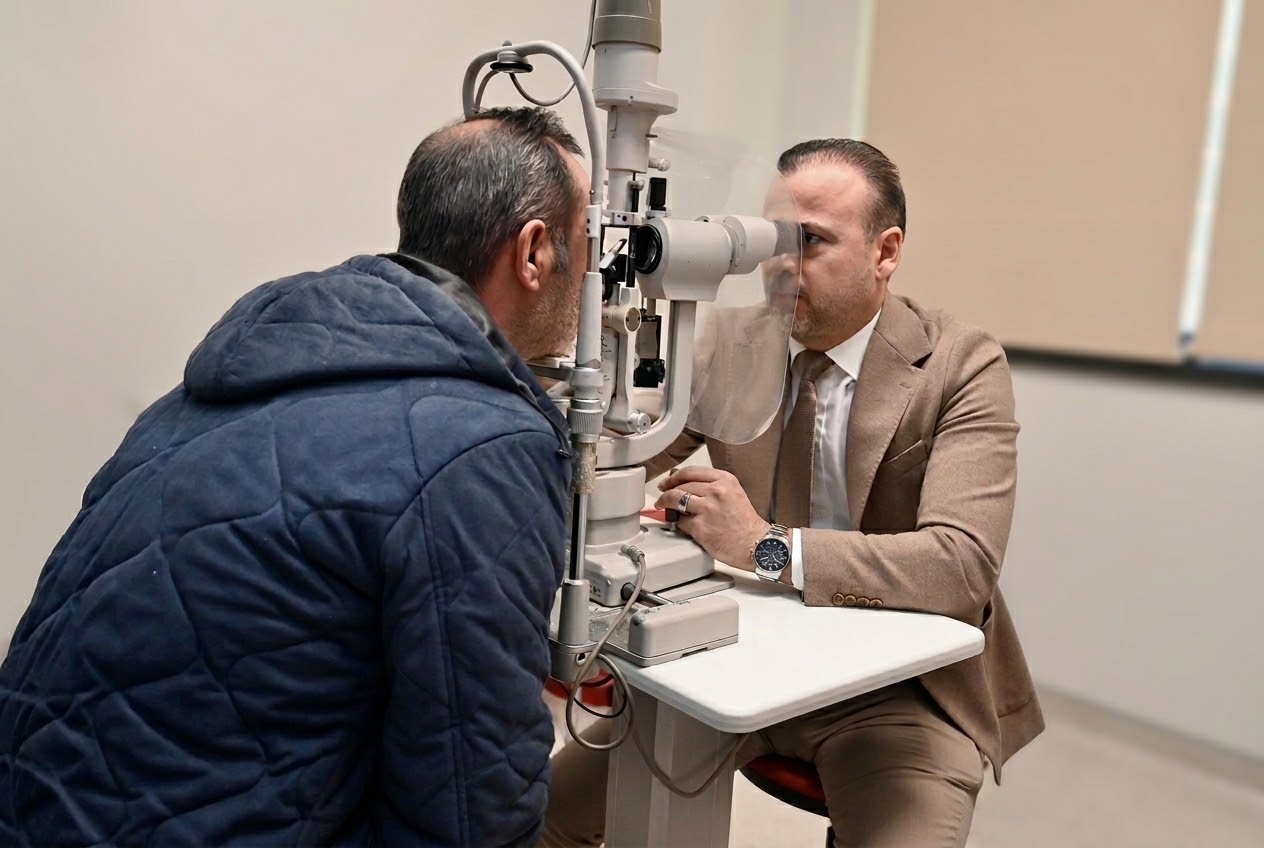
Hasta Muayenesi
Clinical Approach

Starting With Listening,
Sustained With Care

A process that begins by listening to the patient, leading to the right treatment decision within detailed measurements and ethical boundaries.

1

Empathetic Listening

We carefully evaluate your complaints, expectations and daily life needs.

2

Detailed Analysis

We examine your eye structure with topography, OCT, biometry and all necessary advanced measurements.

3

Personalised Planning

We create a safe, scientifically grounded treatment plan tailored specifically to you.

4

Meticulous Follow-up

We closely monitor your recovery and long-term visual quality after any intervention.

Frequently Asked

Your Questions

Is cataract surgery a difficult procedure?

With the modern FAKO technique, cataract surgery is most often performed without sutures. Success is directly related to proper guidance, precise planning and an experienced surgical approach.

Is laser eye surgery suitable for everyone?

No. Corneal structure, thickness, topography, dry eye level and certain systemic or ocular conditions may affect laser suitability. The decision must always be made following a detailed examination.

Can keratoconus progression be stopped?

Cross-linking, applied in suitable patients, is one of the most important options for slowing or halting keratoconus progression. Early diagnosis is critical in this process.

Can a multifocal lens be implanted in every patient?

Not always. Corneal structure, retinal health, intraocular pressure and visual expectations must all be evaluated before a premium lens decision can be made.

Social Media

Eye Health With
Surprising Content

@prof.dr.ibrahimtoprak
Instagram

Eye health doesn't have to
be this boring.

Mini eye tests, surgical moments and a surprise in every video — simple, sincere and fun. Follow along.

Regular new content
Follow @prof.dr.ibrahimtoprak
Contact

Reach Out for Consultation
and Evaluation

You may contact our team for examination and treatment planning.

Get in Touch

Pamukkale University Faculty of Medicine Hospital
Department of Ophthalmology
Psychiatry Hospital Building, 1st Floor
Kınıklı Campus, Denizli

444 47 47

Dahili: 4610

Monday – Friday
09:00 – 17:00

Appointment

To make an appointment, please call the number below.

📞

PAÜ Hospital Appointment Line

Ext: 4610 · Mon–Fri 09:00–17:00